What You Should Do After a Drunk Driving Accident
A drunk driving accident can leave you feeling overwhelmed, frightened, and uncertain about what to do next. In addition to dealing with potential injuries and vehicle damage, you may face medical expenses, missed work, and complicated insurance claims. Knowing which steps to take after a collision can help protect your health, preserve important evidence, and support your legal rights. Taking the right actions early can also make it easier to pursue compensation for losses caused by an impaired driver.
Prioritise Safety and Seek Medical Attention
Your safety should always come first after a drunk driving accident. If possible, move to a safe location away from traffic and check yourself and your passengers for injuries.
Avoid moving anyone who may have suffered a serious injury unless remaining at the scene presents an immediate danger.
Call 911 to report the collision and request emergency medical assistance when necessary. Even if you feel relatively fine, seek medical attention as soon as possible. Some injuries, including concussions and internal injuries, may not produce obvious symptoms immediately.
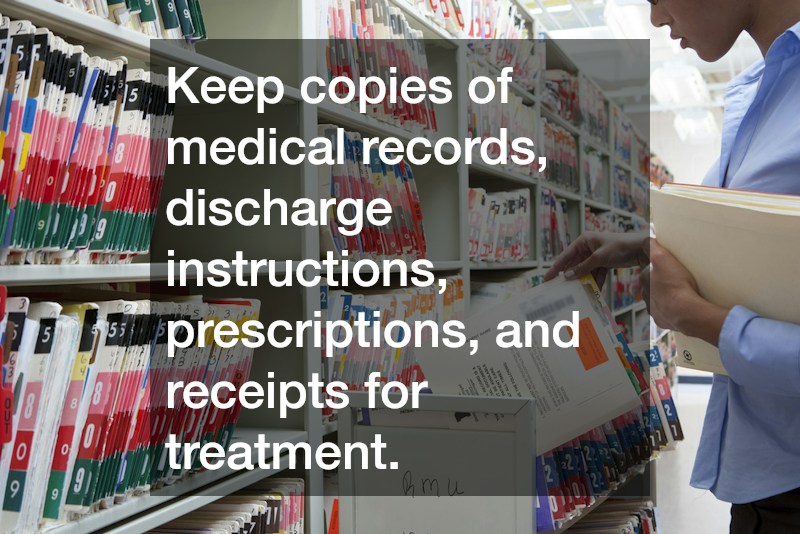
Keep copies of medical records, discharge instructions, prescriptions, and receipts for treatment. These documents can help establish the connection between the accident and your injuries. Following your healthcare provider’s recommendations also supports your recovery and creates a record of the care you receive.
Contact the Police and Report the Accident
Contact law enforcement after the collision, particularly if you suspect the other driver was under the influence of alcohol. Police officers can investigate the scene, document the circumstances, interview witnesses, and determine whether further investigation is necessary.
When officers arrive, provide an accurate account of what happened. Describe any driving behaviour you observed, such as swerving, speeding, or delayed reactions, without making assumptions about facts you did not witness. If you noticed signs of intoxication, share those observations with the responding officers.
Ask how you can obtain a copy of the accident report once it becomes available. This report may contain valuable information for insurance claims and potential legal proceedings. However, a police report does not automatically establish liability, and additional evidence may be necessary to support your case.
Gather Evidence at the Scene
If you can safely do so, collect information that may help explain how the accident occurred. Take photographs or videos of the vehicles, visible damage, road conditions, traffic signs, skid marks, and the surrounding area. Avoid entering dangerous areas or interfering with emergency responders to collect evidence.
Exchange contact and insurance information with the other driver. Obtain the names and contact details of any witnesses who saw the collision. Their observations may help clarify what happened if the drivers later provide conflicting accounts.
Do not confront the other driver or attempt to investigate their suspected intoxication yourself. Leave that process to law enforcement.
Preserve any photographs, messages, receipts, medical records, and correspondence related to the collision. A drunk driving accident attorney can review these materials to assess liability, identify potential sources of evidence, and explain the options available for pursuing compensation.
Notify Your Insurance Company
Contact your insurance company promptly to report the accident and ask about the claims process. Provide accurate information about the collision, but avoid guessing about details you cannot remember. Keep copies of communications and record the dates of conversations with insurance representatives.
You may need to provide documentation concerning vehicle repairs, medical treatment, lost wages, and other accident-related expenses. Review your policy to understand applicable coverage, deductibles, and reporting requirements.
Be cautious when discussing injuries or accepting a settlement before understanding the full extent of your losses. Some injuries require ongoing treatment, and an early settlement may not adequately account for future expenses. You can seek legal advice before signing documents that could affect your right to pursue additional compensation.
Understand Your Legal Options
Driving under the influence can create serious legal consequences for the at-fault driver. Depending on the circumstances, the driver may face criminal charges and separate civil liability for injuries or property damage caused by the collision.
A criminal case and a personal injury claim serve different purposes. Criminal proceedings address violations of the law, while a civil claim may allow an injured person to seek compensation for documented losses. The outcome of a criminal case does not automatically determine the result of a civil claim.
Consulting a drunk driving accident attorney can help you understand your rights, applicable filing deadlines, and the evidence needed to support a claim. An attorney may also communicate with insurance companies, calculate potential damages, and negotiate a settlement or pursue litigation when appropriate.
Potential compensation may include medical expenses, lost income, property damage, pain and suffering, and certain future losses, depending on the facts and applicable state law. Keep in mind that legal deadlines and compensation rules vary by jurisdiction.
Keep Records and Focus on Recovery
Recovery after a serious collision can take time. Maintain an organised file containing medical bills, repair estimates, pay records, insurance correspondence, and other relevant documents. You may also wish to keep a simple journal describing your symptoms, treatment progress, and how your injuries affect daily activities.
Avoid posting detailed comments about the accident or your injuries on social media while your claim is pending. Public statements and photographs may be taken out of context during insurance negotiations or legal proceedings.
Working with a drunk driving accident attorney can help you manage the legal process while you concentrate on healing. By prioritising medical care, documenting your losses, and seeking appropriate guidance, you can take practical steps toward protecting your interests after a drunk driving accident.