What Happens If You Don’t Pay Property Taxes? Understanding the Consequences
Key Takeaways
- Paying property taxes on time helps protect your ownership rights and prevents unnecessary financial penalties.
- Delinquent taxes can grow quickly as interest, late fees, and collection costs are added to the original balance.
- Unpaid taxes may result in legal claims against your property, making it more difficult to sell or refinance.
- Ignoring overdue tax notices can eventually lead to foreclosure proceedings and the loss of your home.
- Homeowners facing financial hardship should contact their local taxing authority as early as possible to discuss available assistance.
- Keeping accurate payment records and monitoring tax deadlines can help prevent costly mistakes.
- Understanding your local property’s tax rules allows you to make informed decisions and avoid serious legal issues.
Owning a home comes with several financial responsibilities, and one of the most important is paying property taxes. These taxes help fund essential public services such as schools, roads, emergency responders, libraries, parks, and other community programs. While property taxes may not receive as much attention as mortgage payments or utility bills, failing to pay them can lead to serious legal and financial consequences.
Many homeowners fall behind on property taxes because of unexpected financial hardships, job loss, medical expenses, or simple misunderstandings about payment deadlines. Unfortunately, unpaid property taxes do not simply disappear over time. Most local governments have legal processes in place to collect overdue taxes, and those processes can eventually put your ownership of the property at risk.
Understanding how property taxes work and what happens when payments are missed can help homeowners make informed decisions before a small problem becomes much larger. This guide explains the typical consequences of unpaid property taxes, possible solutions, and steps you can take if you’re struggling to keep up with payments.
What Are Property Taxes?
Property taxes are taxes imposed by local governments on real estate owners. The amount you owe is generally based on the assessed value of your property and the tax rates established by your city, county, or other local taxing authority.
Unlike federal income taxes, property taxes are primarily used to support services within your local community. These funds often pay for public schools, police departments, fire protection, road maintenance, parks, and other public infrastructure.
Most homeowners pay property taxes annually or semiannually, although some mortgage lenders collect monthly escrow payments and pay the taxes on the homeowner’s behalf.
Understanding how your taxes are paid is the first step in avoiding missed payments.
Property taxes commonly help fund:
- Public schools
- Police departments
- Fire protection
- Road maintenance
- Parks and recreation
- Local government services
Why Property Taxes Matter
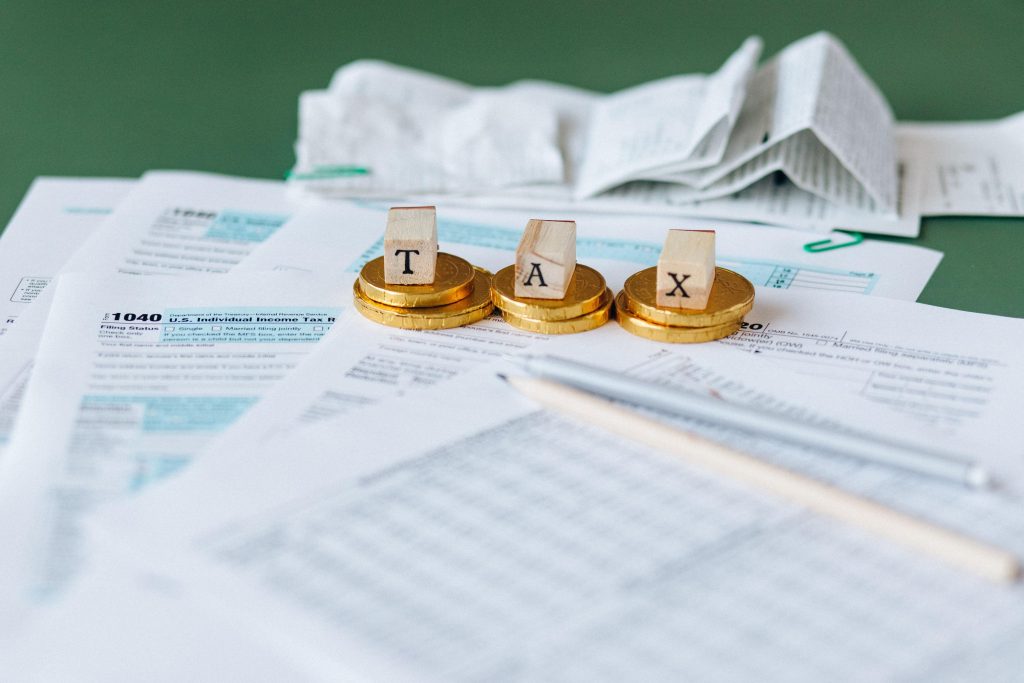
Property taxes are considered one of the highest-priority obligations associated with homeownership.
Unlike some debts, unpaid property taxes may create a legal claim against the property itself. This means the local government often has specific legal rights to recover unpaid taxes, even if you continue making your mortgage payments.
Because these taxes support essential public services, local governments typically have established collection procedures that begin shortly after payments become overdue.
Paying property taxes on time helps protect both your finances and your ownership rights.
Timely payments help you:
- Avoid penalties
- Prevent interest charges
- Protect property ownership
- Maintain financial stability
- Avoid legal complications
What Happens When You Miss a Payment?
The exact process varies depending on where the property is located, but missing a property tax payment usually begins a series of escalating consequences.
Initially, the taxing authority typically marks the payment as delinquent. At this stage, you may receive notices informing you that the payment is overdue and explaining the amount currently owed.
Even if the original unpaid balance is relatively small, additional charges often begin accumulating quickly.
Ignoring these notices rarely makes the problem go away.
Early consequences often include:
- Delinquency notices
- Late fees
- Interest charges
- Payment reminders
- Collection notices
Penalties and Interest Begin to Accumulate
One of the first financial consequences of unpaid property taxes is the addition of penalties and interest.
Each jurisdiction establishes its own rates, but unpaid balances often continue growing every month the taxes remain outstanding. This means delaying payment generally increases the total amount eventually owed.
What starts as a manageable bill can become significantly larger over time.
Addressing the issue early may reduce long-term financial strain.
Additional costs may include:
- Late penalties
- Monthly interest
- Administrative fees
- Collection costs
A Tax Lien May Be Placed on the Property
If taxes remain unpaid long enough, many jurisdictions place a tax lien against the property.
A tax lien is a legal claim that secures the government’s interest in collecting unpaid taxes. While homeowners often continue living in the home, the lien can complicate future financial transactions.
For example, selling or refinancing the property may become more difficult because outstanding tax obligations typically must be addressed before ownership transfers.
Tax liens can remain attached to the property until the debt is resolved.
A tax lien may affect:
- Home sales
- Refinancing
- Property transfers
- Borrowing against equity
- Financial planning
Tax Lien Sales in Some States
Certain states allow local governments to sell tax liens to private investors.
Rather than immediately selling the property itself, the government sells the right to collect the unpaid taxes. The homeowner generally still has opportunities to repay the taxes plus applicable interest and fees within a legally established redemption period.
If repayment occurs during this period, ownership usually remains with the homeowner.
The specific rules vary considerably from state to state.
Tax lien sales typically involve:
- Delinquent taxes
- Investor purchases
- Redemption periods
- Interest payments
- State-specific procedures
Tax Foreclosure May Eventually Occur
If property taxes remain unpaid for an extended period, some jurisdictions may begin tax foreclosure proceedings.
Tax foreclosure is a legal process that can ultimately result in the loss of property ownership. The timeline differs depending on local laws, but foreclosure generally occurs only after multiple notices, waiting periods, and opportunities for repayment.
Although foreclosure is often viewed as a last resort, it remains a serious possibility when delinquent taxes are ignored for too long.
Early communication with the taxing authority may provide additional options.
Tax foreclosure may involve:
- Legal notices
- Waiting periods
- Court procedures
- Public sales
- Loss of ownership
Can You Still Lose Your Home If You Pay Your Mortgage?
Many homeowners assume that making mortgage payments protects them from losing their property.
However, property taxes and mortgage payments are separate legal obligations. Even if your mortgage is current, unpaid property taxes can still create legal problems that eventually threaten ownership.
Mortgage lenders also have an interest in ensuring taxes remain current because tax liens may receive priority over certain other claims.
Reviewing your escrow account regularly helps prevent misunderstandings.
Remember:
- Mortgage payments are separate.
- Property taxes remain your responsibility.
- Escrow accounts require monitoring.
- Tax obligations continue regardless of mortgage status.
What If You Can’t Afford to Pay?
Financial hardship can affect anyone.
If you’re struggling to pay property taxes, contact your local taxing authority as soon as possible. Some jurisdictions offer payment plans, hardship programs, temporary relief, exemptions, or deferral options for qualifying homeowners.
Waiting until foreclosure proceedings begin often limits available solutions.
Early communication usually provides the greatest flexibility.
Possible assistance may include:
- Payment plans
- Hardship programs
- Deferrals
- Senior exemptions
- Disability exemptions
Selling Before Problems Become Worse
For some homeowners experiencing long-term financial difficulties, selling the property before legal proceedings advance may be a practical option.
Selling voluntarily often provides greater control than waiting for tax foreclosure. Depending on the property’s value and outstanding debts, selling may allow homeowners to preserve some equity while resolving unpaid taxes.
Every financial situation is different, so careful evaluation is important.
Professional guidance can help homeowners understand available choices.
Benefits of selling early may include:
- Greater financial control
- Preservation of equity
- Fewer legal complications
- More flexibility
- Faster debt resolution
Keep Accurate Records
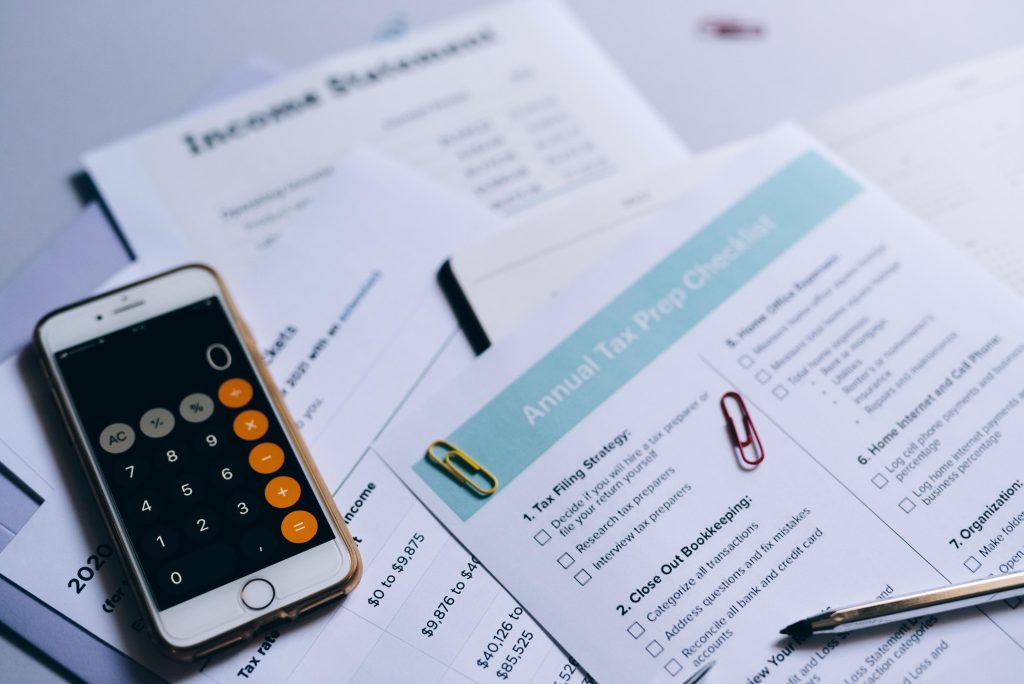
Maintaining organized financial records helps prevent accidental missed payments.
Save payment confirmations, tax bills, escrow statements, and correspondence from your local taxing authority. Reviewing these documents periodically allows you to identify potential issues before they become serious.
Many jurisdictions also offer online payment portals where homeowners can monitor balances and payment history.
Organization supports better financial management.
Important records include:
- Tax bills
- Payment receipts
- Escrow statements
- Assessment notices
- Correspondence
Understand Local Laws
Property tax laws vary widely between states, counties, and municipalities.
Deadlines, penalties, redemption periods, foreclosure procedures, and assistance programs may differ substantially depending on where the property is located.
Because every jurisdiction has its own legal framework, homeowners should review information provided by their local taxing authority whenever questions arise.
Local information is often the most reliable source for understanding your specific responsibilities.
Research your area’s:
- Payment deadlines
- Penalty schedules
- Payment plans
- Exemptions
- Foreclosure timelines
Know the Limits of General Information
Many homeowners begin researching unpaid property taxes online.
While educational resources can explain common legal concepts, they cannot evaluate your unique circumstances. Understanding the difference between legal advice and legal information is important because general educational articles provide background knowledge, while licensed attorneys offer advice based on the facts of a specific legal situation.
If your property faces tax foreclosure or other complex legal issues, consulting a qualified attorney may help you better understand your available options.
Professional guidance can be especially valuable when deadlines are approaching.
General information can explain:
- Basic legal processes
- Common terminology
- Typical timelines
- General homeowner rights
Legal advice may address:
- Your specific case
- Applicable local laws
- Court procedures
- Individual legal strategies
Prevent Future Property Tax Problems
The best solution is preventing delinquency before it starts.
Review property tax deadlines every year, verify whether your mortgage escrow pays taxes automatically, budget for future increases, and set reminders before payment due dates.
If your financial situation changes unexpectedly, contact your local taxing authority immediately rather than waiting for collection notices.
Proactive planning helps protect your home.
Helpful prevention strategies include:
- Budget annually
- Verify escrow payments
- Set calendar reminders
- Review tax bills promptly
- Address financial issues early
Final Thoughts
Failing to pay property taxes can lead to much more than late fees. Over time, penalties, interest, tax liens, and even foreclosure proceedings may place your homeownership at risk. Although the legal process varies depending on your location, nearly every jurisdiction provides some form of collection procedure designed to recover unpaid taxes.
Fortunately, homeowners often have opportunities to resolve delinquent taxes before the situation becomes irreversible. Payment plans, hardship programs, exemptions, and early communication with local taxing authorities may help prevent more serious consequences. The sooner you address the problem, the more options are typically available.
Property ownership carries ongoing responsibilities, and property taxes are among the most important. By understanding how the system works, keeping organized financial records, monitoring payment deadlines, and seeking appropriate assistance when necessary, homeowners can better protect both their property and their long-term financial stability.